

Maximizing Efficiency Through Intelligent Systems Implementation

In today's fast-paced world, organizations are constantly seeking ways to improve their efficiency and productivity. One of the most effective methods to achieve this is through the implementation of intelligent systems. These systems leverage technology to automate processes, analyze data, and enhance decision-making. This blog post will explore how intelligent systems can maximize efficiency, provide practical examples, and offer actionable insights for organizations looking to implement these solutions.
Understanding Intelligent Systems
Intelligent systems refer to a combination of technologies that work together to perform tasks that typically require human intelligence. This includes machine learning, artificial intelligence (AI), robotics, and data analytics. By integrating these technologies, organizations can streamline operations, reduce errors, and make informed decisions based on real-time data.
Key Components of Intelligent Systems
Machine Learning: This technology enables systems to learn from data and improve over time without being explicitly programmed. For example, a machine learning algorithm can analyze customer behavior to predict future purchasing patterns.
Artificial Intelligence: AI encompasses a wide range of technologies that simulate human intelligence. This includes natural language processing, computer vision, and expert systems. AI can help automate customer service through chatbots or enhance product recommendations.
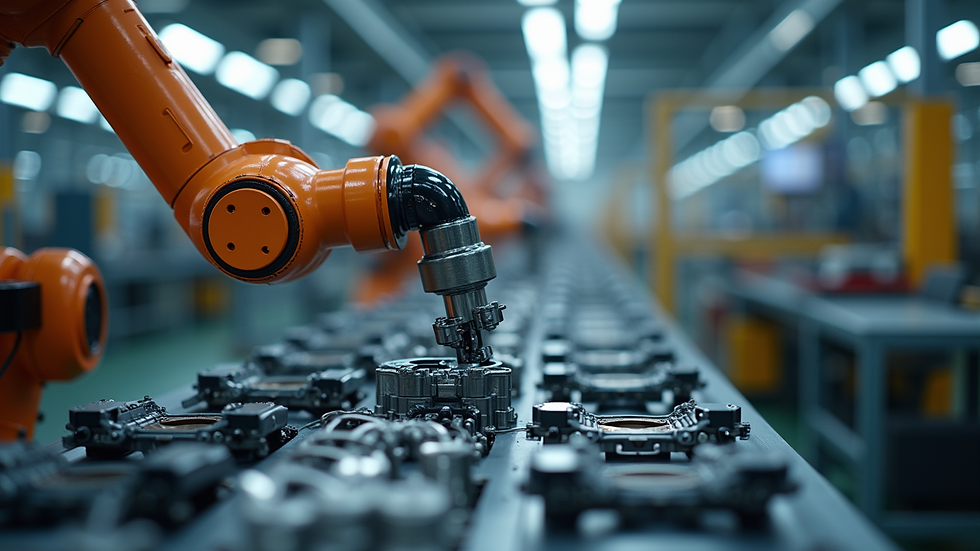
Robotics: Robotics involves the use of machines to perform tasks traditionally done by humans. In manufacturing, robots can assemble products faster and with greater precision than human workers.
Data Analytics: This component involves analyzing large sets of data to uncover patterns and insights. Organizations can use data analytics to improve operational efficiency, enhance customer experiences, and drive strategic decisions.
Benefits of Implementing Intelligent Systems
Implementing intelligent systems can lead to numerous benefits for organizations, including:
Increased Efficiency: By automating repetitive tasks, organizations can free up employees to focus on more strategic initiatives. For instance, an automated inventory management system can track stock levels and reorder supplies without human intervention.
Cost Savings: Intelligent systems can help reduce operational costs by minimizing errors and optimizing resource allocation. For example, predictive maintenance systems can identify equipment issues before they lead to costly breakdowns.
Improved Decision-Making: With access to real-time data and analytics, organizations can make informed decisions quickly. This agility can be a significant competitive advantage in rapidly changing markets.
Enhanced Customer Experience: Intelligent systems can personalize customer interactions, leading to higher satisfaction and loyalty. For example, AI-driven recommendation engines can suggest products based on individual preferences.
Practical Examples of Intelligent Systems in Action
Case Study 1: Manufacturing Automation
A leading automotive manufacturer implemented robotics in its assembly line to enhance productivity. By using robotic arms for tasks such as welding and painting, the company reduced production time by 30%. Additionally, the robots operated with a high degree of precision, leading to fewer defects and higher-quality products.
Case Study 2: Retail Analytics
A major retail chain adopted data analytics to optimize its inventory management. By analyzing sales data and customer trends, the company was able to predict demand more accurately. This led to a 20% reduction in excess inventory and improved stock availability, resulting in increased sales.
Case Study 3: Customer Service Chatbots
A telecommunications company introduced AI-powered chatbots to handle customer inquiries. The chatbots could resolve common issues without human intervention, reducing the workload on customer service representatives. As a result, the company improved response times and customer satisfaction ratings.
Steps to Implement Intelligent Systems
Implementing intelligent systems requires careful planning and execution. Here are some steps organizations can take to ensure a successful implementation:
Step 1: Identify Objectives
Before implementing any intelligent system, organizations should clearly define their objectives. What specific problems are they trying to solve? Are they looking to improve efficiency, reduce costs, or enhance customer experience? Having clear goals will guide the selection of the right technologies.
Step 2: Assess Current Processes
Organizations should evaluate their existing processes to identify areas where intelligent systems can add value. This may involve mapping out workflows, analyzing data, and identifying bottlenecks.
Step 3: Choose the Right Technology
Selecting the appropriate technology is crucial for successful implementation. Organizations should consider factors such as scalability, ease of integration, and user-friendliness. Engaging with technology vendors and conducting pilot tests can help in making informed decisions.
Step 4: Train Employees
Training is essential for ensuring that employees can effectively use the new systems. Organizations should provide comprehensive training programs that cover both technical skills and the benefits of the new technology.
Step 5: Monitor and Optimize
After implementation, organizations should continuously monitor the performance of intelligent systems. Gathering feedback from users and analyzing data can help identify areas for improvement and optimization.
Challenges in Implementing Intelligent Systems
While the benefits of intelligent systems are significant, organizations may face challenges during implementation. Some common obstacles include:
Resistance to Change: Employees may be hesitant to adopt new technologies, fearing job loss or increased complexity. Effective change management strategies, including clear communication and involvement in the process, can help alleviate these concerns.
Data Privacy and Security: With the increased use of data comes the responsibility to protect it. Organizations must ensure that they comply with data protection regulations and implement robust security measures.
Integration Issues: Integrating new systems with existing infrastructure can be complex. Organizations should plan for potential integration challenges and allocate resources accordingly.
Future Trends in Intelligent Systems
As technology continues to evolve, several trends are shaping the future of intelligent systems:
Increased Use of AI: AI will play a more significant role in decision-making processes, with advancements in natural language processing and machine learning enabling more sophisticated applications.
Edge Computing: This technology allows data processing to occur closer to the source, reducing latency and improving response times. This is particularly beneficial for applications requiring real-time data analysis.
Collaborative Robots (Cobots): Cobots are designed to work alongside humans, enhancing productivity without replacing jobs. They will become more prevalent in various industries, particularly manufacturing and logistics.
Enhanced Data Analytics: As organizations generate more data, advanced analytics tools will become essential for extracting actionable insights. Predictive and prescriptive analytics will help organizations anticipate trends and make proactive decisions.
Conclusion
Implementing intelligent systems can significantly enhance organizational efficiency and productivity. By automating processes, analyzing data, and improving decision-making, organizations can stay competitive in an ever-evolving landscape. While challenges may arise during implementation, the benefits far outweigh the risks. As technology continues to advance, organizations that embrace intelligent systems will be well-positioned for success.
By taking the necessary steps to implement intelligent systems, organizations can unlock new levels of efficiency and drive sustainable growth. The future is bright for those willing to adapt and innovate in this dynamic environment.
Comments